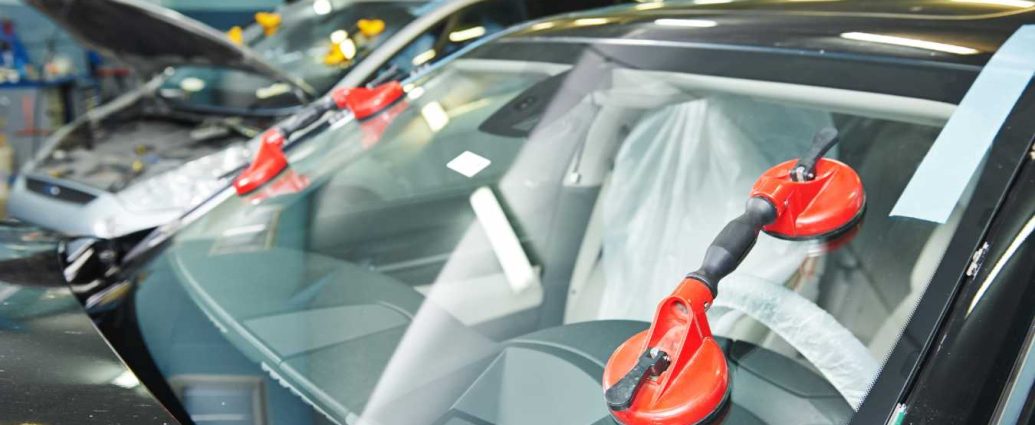
Understanding How a Windshield Protects the Entire Vehicle
A windshield is far more than a transparent glass panel placed at the front of a vehicle. It functions as a structural safety component that supports the roof, improves aerodynamic performance, shields passengers from environmental hazards, and plays a major role in driver visibility. Modern windshields are engineered using laminated safety glass, which consists of two layers of glass bonded with a plastic interlayer. This design helps prevent dangerous shattering during impact and keeps broken pieces largely intact. Because of this construction, the windshield contributes directly to occupant safety during collisions, rollovers, and airbag deployment. A clear understanding of its function helps drivers make better decisions about maintenance, repair, and prevention, ensuring that the vehicle remains safe, efficient, and reliable throughout changing driving conditions.
The Structural Role of Windshield Glass
The structural strength of a vehicle depends significantly on the windshield. In many modern cars, it can contribute a substantial portion of the roof’s rigidity, especially during rollover events. When the glass is properly installed and bonded to the frame, it distributes force across the vehicle body and reduces deformation. Even a small crack can compromise this support, weakening the integrity of the front cabin area. This is why ignoring minor damage can become a serious safety issue over time. The windshield also helps maintain proper cabin pressure during airbag deployment, allowing the passenger-side airbag to inflate and cushion occupants as intended. Without sufficient structural support, the effectiveness of critical safety systems may be reduced during accidents.
How Laminated Windshield Technology Works
Modern windshield manufacturing relies on laminated glass technology to balance strength and visibility. The outer and inner glass sheets are fused with a polyvinyl butyral layer that acts as an adhesive and shock absorber. During impact, the outer layer may crack, but the inner film holds the fragments together, reducing the risk of flying glass. This technology also improves sound insulation, ultraviolet protection, and resistance to temperature fluctuations. Many advanced vehicles now integrate acoustic windshields that reduce road noise and create a quieter driving experience. Understanding the layered structure helps explain why windshield repair is sometimes possible for chips and surface cracks, while more severe damage requires full replacement to restore both safety and clarity.
Common Causes of Windshield Damage
Windshield damage can develop from many everyday driving conditions. One of the most common causes is road debris, especially small stones projected by other vehicles at high speed. Sudden temperature changes are another major factor. For example, pouring hot water on an icy windshield can create thermal stress and cause cracking. Improper installation, worn wiper blades, hailstorms, falling branches, and even prolonged exposure to sunlight can gradually weaken the glass surface. Dust particles trapped under damaged wipers may create fine scratches that reduce visibility over time. Drivers who frequently travel on highways, construction zones, or gravel roads face a higher risk of chips and impact marks. Early awareness of these causes helps prevent larger issues and extends windshield life.
Recognizing Early Signs of Windshield Problems
Many windshield issues begin as minor imperfections that are easy to overlook. Small star-shaped chips, bullseye marks, hairline cracks, edge fractures, and visible scratches are early warning signs that should never be ignored. Moisture intrusion around the edges may indicate seal failure, while persistent fogging inside a specific area could suggest delamination between glass layers. Distortion in light reflection, especially at night, often signals surface wear or internal stress. Drivers should inspect the windshield regularly under daylight conditions to identify subtle defects before they worsen. Even small damage located outside the direct line of sight can spread rapidly due to vibration, pressure changes, and weather exposure, eventually requiring a full replacement instead of a simple repair.
Why Small Chips Spread into Large Cracks
A small chip often appears harmless, but stress concentration makes it highly unstable. Every time the vehicle moves, the windshield experiences vibration, frame flexing, and air pressure shifts. These forces concentrate around the damaged point and gradually extend the crack lines outward. Temperature changes accelerate this process by causing the glass to expand and contract. For example, parking under direct sunlight after a cold morning can rapidly increase crack growth. Moisture entering the damaged area may further weaken the internal bonding layer. Once a crack extends beyond a certain length or reaches the edge of the windshield, repair becomes much less effective. Prompt action during the early stages significantly improves the chance of preserving the original glass.
Step-by-Step Windshield Inspection Routine
A structured inspection routine helps identify problems before they become costly. Start by cleaning the exterior glass with a lint-free microfiber cloth and a safe automotive glass cleaner. Inspect the surface from multiple angles under natural light to locate chips, scratches, and reflection distortion. Next, check the edges where the glass meets the frame for seal gaps, moisture stains, or visible lifting. Move inside the cabin and inspect for internal haze, delamination lines, or unusual reflections. Test the wiper movement to ensure smooth contact without streaking or skipping. Finally, examine the washer fluid spray pattern and nozzle direction. Following this routine weekly helps maintain optimal visibility and ensures that early damage does not go unnoticed during regular driving.
Importance of Windshield Visibility for Safe Driving
Clear visibility is one of the most important factors in road safety. A windshield with scratches, glare marks, or crack lines can distort incoming light and significantly affect reaction time, especially during night driving or rainy conditions. Headlight reflections from oncoming vehicles may become scattered, creating halos and visual strain. In foggy weather, any surface contamination can worsen visibility dramatically. Even internal residue from dashboard off-gassing can create a thin film that reduces clarity. According to road safety guidance from the , driver visibility is a core component of accident prevention. Maintaining a clean, undamaged windshield directly improves situational awareness, hazard detection, and overall driving confidence.
Windshield Wipers and Their Impact on Glass Health
Windshield wipers play a larger role in glass preservation than many drivers realize. Old or damaged blades can drag dust, sand, and debris across the surface, creating micro-abrasions that accumulate over time. These fine scratches may be nearly invisible during the day but become highly noticeable under streetlights and sunlight glare. Replacing wiper blades every six to twelve months helps protect the glass surface and maintain proper water clearing performance. Rubber edges should remain flexible and smooth without splitting or hardening. Drivers should also avoid operating dry wipers on dusty glass, as this significantly increases scratch formation. Proper wiper maintenance is one of the simplest and most effective ways to preserve windshield clarity.

Seasonal Windshield Care in Summer
Summer conditions place unique stress on windshield surfaces. Intense sunlight causes rapid heating, which expands the glass and increases stress around existing chips. High temperatures also weaken old adhesive seals and may accelerate delamination in aging windshields. To reduce heat exposure, parking in shaded areas or using a reflective sunshade is highly effective. Drivers should avoid blasting extremely cold air directly onto a hot windshield, as sudden thermal contrast may worsen hidden cracks. Summer dust and insect residue can also harden on the surface, requiring gentle cleaning methods rather than aggressive scraping. Seasonal care during hot weather helps preserve both structural strength and optical clarity throughout prolonged sun exposure.
Winter Protection and Cold Weather Risks
Winter weather creates a different set of windshield challenges. Frost, ice, and freezing rain increase surface stress and can quickly expose existing weaknesses. Using metal scrapers too aggressively may scratch the outer glass layer, while pouring hot water on ice can create immediate cracking due to thermal shock. The safest method involves using a plastic scraper combined with gradual cabin defrosting. Wiper blades should be winter-grade and kept free from frozen buildup. Washer fluid must be rated for low temperatures to prevent nozzle blockage. During freezing conditions, even a minor chip can expand overnight into a major crack, making routine winter inspection especially important for safe morning driving.
Rainy Season Visibility and Water Repellency
Heavy rain places extreme importance on windshield performance. Water streaking, delayed wiper response, and surface contamination can drastically reduce driver visibility. Applying a high-quality water-repellent glass treatment helps rain bead and slide off more efficiently, improving visibility during highway driving. Clean wiper blades and properly aligned spray nozzles are essential during wet conditions. Mud splashes, oily road residue, and airborne pollutants can mix with rainwater and create smeared layers that distort vision. Regular cleaning before and after rain exposure keeps the surface clear and improves the effectiveness of wipers. Drivers in regions with frequent monsoon or storm conditions should treat windshield maintenance as a routine safety priority.
Windshield Chips: Repair or Replace?
Determining whether a windshield chip requires repair or replacement depends on size, depth, and location. Small chips away from the driver’s line of sight are often repairable if addressed early. Resin injection technology can fill the damaged area, restore strength, and reduce visual distortion. However, if the chip is deep, spreading, or located near the edge, replacement is usually the safer option. Cracks that obstruct the driver’s direct view should generally be replaced rather than repaired. The edge zone is structurally sensitive because stress tends to spread more rapidly from that area. Timely professional evaluation helps ensure the correct solution is chosen before the damage compromises safety.
The Science Behind Windshield Crack Propagation
Crack propagation follows predictable stress mechanics. When glass experiences impact, microscopic fractures develop around the point of contact. These fractures remain under constant tension from body movement, road vibration, and temperature shifts. Over time, the energy concentrated at the crack tip causes it to extend. This process often accelerates when the vehicle travels over rough roads or speed bumps. Moisture and contaminants entering the crack may worsen the instability. Understanding this science explains why delaying repair is risky even when the crack appears unchanged. A crack can remain stable for days and then suddenly expand across the entire windshield after a single temperature shift or vibration event.
Cleaning Methods That Preserve Glass Clarity
Proper cleaning techniques help preserve long-term windshield transparency. Use an ammonia-free automotive glass cleaner and a clean microfiber cloth to avoid streaking and surface wear. Wipe in vertical motions on the inside and horizontal motions on the outside to identify which side contains remaining marks. Avoid paper towels with abrasive fibers, as they may create fine scratches over time. Stubborn residues such as tree sap, bug remains, or road film should be softened with specialized cleaners rather than scraped aggressively. Cleaning should also include the lower edge where dust often accumulates beneath the wiper resting zone. Consistent gentle cleaning preserves clarity and reduces glare during night driving.
How Interior Residue Affects Windshield Vision
The inside of the windshield often develops a transparent film that many drivers overlook. This residue commonly forms from dashboard plastics releasing volatile compounds, mixed with dust and humidity from cabin air. Over time, the film creates haze, especially when sunlight hits at low angles. During nighttime driving, it can amplify headlight glare and reduce contrast perception. Regular interior glass cleaning is essential for maintaining sharp visibility. Defroster vents should also be kept clean, as airborne dust from the HVAC system frequently settles on the inside glass surface. Maintaining interior clarity is just as important as exterior cleaning for safe and comfortable driving.
Windshield and ADAS Sensor Compatibility
Many modern vehicles now include Advanced Driver Assistance Systems integrated with the windshield area. Cameras and sensors used for lane keeping, collision alerts, rain detection, and automatic braking are often mounted behind the glass. Even minor distortion, improper replacement, or poor alignment can affect calibration accuracy. After windshield replacement, recalibration is often necessary to ensure these systems function correctly. Misaligned sensors may lead to inaccurate lane detection or delayed emergency responses. This makes windshield quality especially critical in newer vehicles where glass serves both protective and technological functions. Drivers should always ensure that repairs or replacements consider sensor positioning and calibration requirements.
Preventive Habits for Long-Term Windshield Health
Preventive habits significantly extend windshield lifespan. Maintain safe following distance from large trucks to reduce stone impact risk. Replace worn wiper blades on schedule and keep washer fluid filled with season-appropriate solution. Avoid slamming doors when the windows are fully closed if the windshield already has minor cracks, as pressure changes may worsen them. Park away from tree branches and construction areas whenever possible. Use a windshield cover during extreme weather conditions. These small habits reduce stress, minimize physical damage, and help preserve both structural strength and visibility. Prevention remains far more effective and affordable than delayed repair.
Final Thoughts on Smart Windshield Maintenance
A windshield should be treated as an active safety system rather than a passive glass surface. Its role extends from structural support and airbag performance to visibility, weather protection, and sensor integration. Smart maintenance begins with regular inspection, timely cleaning, seasonal care, and immediate response to minor damage. Chips and scratches rarely remain small when exposed to daily driving stress. By following a structured care routine, drivers can maintain clear visibility, preserve vehicle safety, and reduce long-term repair costs. A well-maintained windshield supports confident driving in every season and under every road condition, making it one of the most important components of responsible vehicle care.